How Verification Sequences for Deposit-Free Spins Align With Slot Mechanics and Self-Limit Tools in Live Mobile Platforms
Elena Hoffmann · Nov 9, 2026
How Verification Sequences for Deposit-Free Spins Align With Slot Mechanics and Self-Limit Tools in Live Mobile Platforms
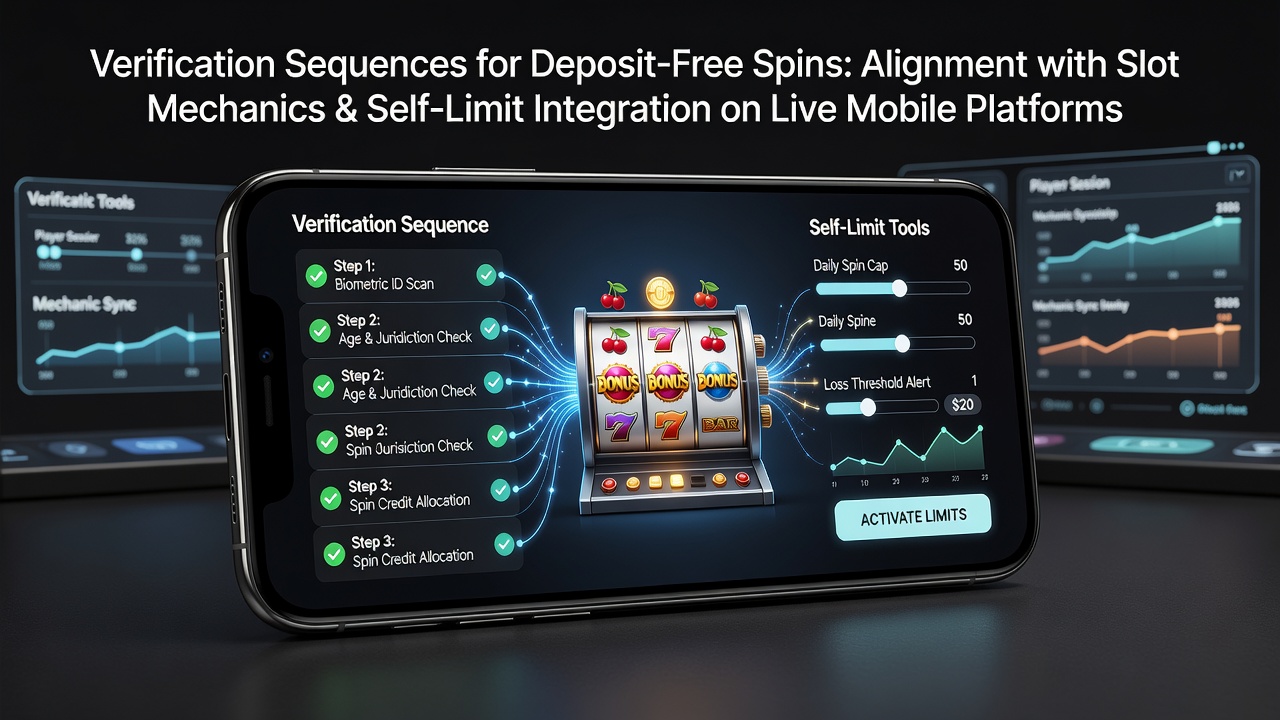
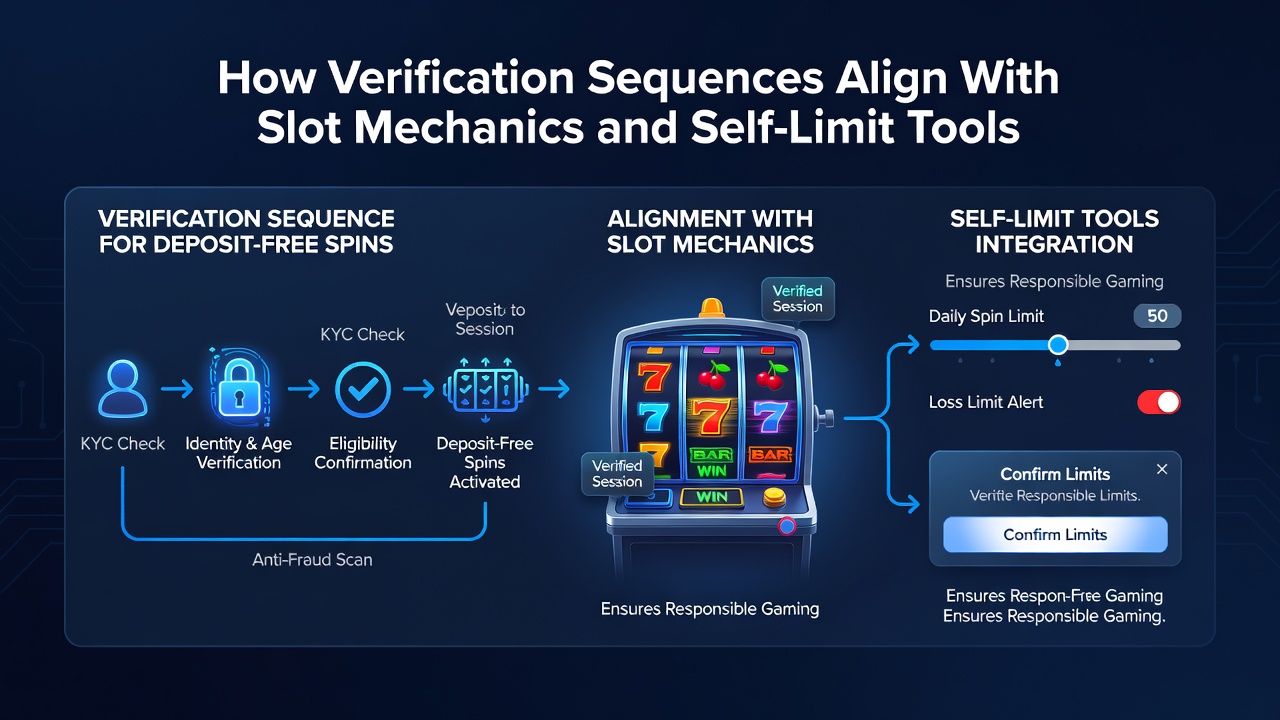
Verification sequences for deposit-free spins on live mobile platforms connect directly to slot mechanics through structured account checks that confirm player eligibility before any spins activate, and these same sequences integrate with self-limit tools to enforce session boundaries from the outset. Platforms require email confirmation, phone validation, and identity documents in sequence, after which the system unlocks the free spins while simultaneously loading any pre-set deposit caps or time restrictions that the player has activated in the account menu.
Core Verification Steps in Mobile Environments
Players encounter an initial registration form followed by automated checks that cross-reference provided details against regulatory databases, and this process typically completes within minutes on most live mobile applications. Once basic data clears, platforms send a one-time code to the registered phone number, which must be entered to proceed, and this step prevents duplicate accounts that could otherwise bypass self-imposed limits. Data from the New Jersey Division of Gaming Enforcement shows that verified accounts in 2026 maintained higher compliance rates with responsible gaming features compared to unverified ones during the same period.
Slot mechanics enter the picture once verification finishes, because the free spins then draw from the same random number generator pool used for standard play, ensuring each outcome remains independent and unpredictable regardless of the bonus source. The alignment occurs through backend flags that tag these spins as non-cashable until wagering requirements clear, and mobile interfaces display progress bars that update in real time as spins complete.
Integration With Self-Limit Tools
Self-limit tools activate automatically after verification succeeds, pulling from player-selected parameters such as maximum daily spins or loss thresholds that the platform stores in the user profile. When a deposit-free spin sequence begins, the system monitors cumulative activity against those limits and pauses further play if any boundary is reached, sending a notification directly to the mobile device. Observers note that this linkage reduces instances of extended sessions, since the verification gate already embeds the limit data into the active game session.
Research from the University of Nevada, Las Vegas International Gaming Institute indicates that platforms incorporating verification-linked limits recorded measurable drops in voluntary limit overrides during the first half of 2026. The mechanics remain consistent across live dealer and video slot titles, where each spin still follows standard payline and symbol rules while the limit tracker runs in parallel without altering payout probabilities.
Platform Updates Observed in Late 2026
November 2026 brought incremental updates to several major mobile operators that refined how verification sequences interact with slot volatility settings, allowing players to view estimated spin duration before accepting deposit-free offers. These changes also strengthened connections to self-limit dashboards, so that any adjustment to time or spend caps immediately reflects in pending bonus queues. Industry reports from the Canadian Gaming Association highlight that such synchronized systems helped maintain consistent responsible play metrics across cross-border mobile users throughout the year.
Take one developer that adjusted its backend in early November to require limit confirmation during the final verification step, and this adjustment ensured that free spins could not launch unless the player acknowledged current boundaries. The result appears in session logs where average play duration stayed within preset ranges even during promotional periods.
Technical Alignment Details
Slot mechanics on mobile platforms rely on certified RNG algorithms that verification sequences do not modify, yet the sequences do determine whether bonus spins contribute to wagering trackers or trigger additional verification if limits near their thresholds. When a player sets a weekly loss cap, the mobile app calculates projected exposure from the free spins offer and displays a warning if the estimated outcome approaches that cap. This calculation runs on the device itself for speed, while final verification against server-side records occurs before any reels spin.
Those who've studied mobile platform architecture know that the verification flow uses API calls to both the identity provider and the responsible gaming module simultaneously, which creates the alignment without adding noticeable delay to the user experience. Evidence from operator compliance filings shows that this dual-query approach became standard across many European and North American platforms by mid-2026.
Conclusion
Verification sequences for deposit-free spins therefore function as the entry point that simultaneously enables slot play under controlled conditions and activates self-limit enforcement on live mobile platforms. The technical connections between these elements rely on shared data fields that carry player preferences and eligibility status into the game engine itself, and ongoing platform refinements continue to tighten those connections without changing the underlying randomness of slot outcomes. Data indicates that this integrated approach supports consistent application of responsible gaming tools across diverse regulatory environments.