How Mobile App Interfaces Guide Bonus Code Use for Slots While Supporting Responsible Play Limits
Iris Beck · Sep 28, 2026
How Mobile App Interfaces Guide Bonus Code Use for Slots While Supporting Responsible Play Limits
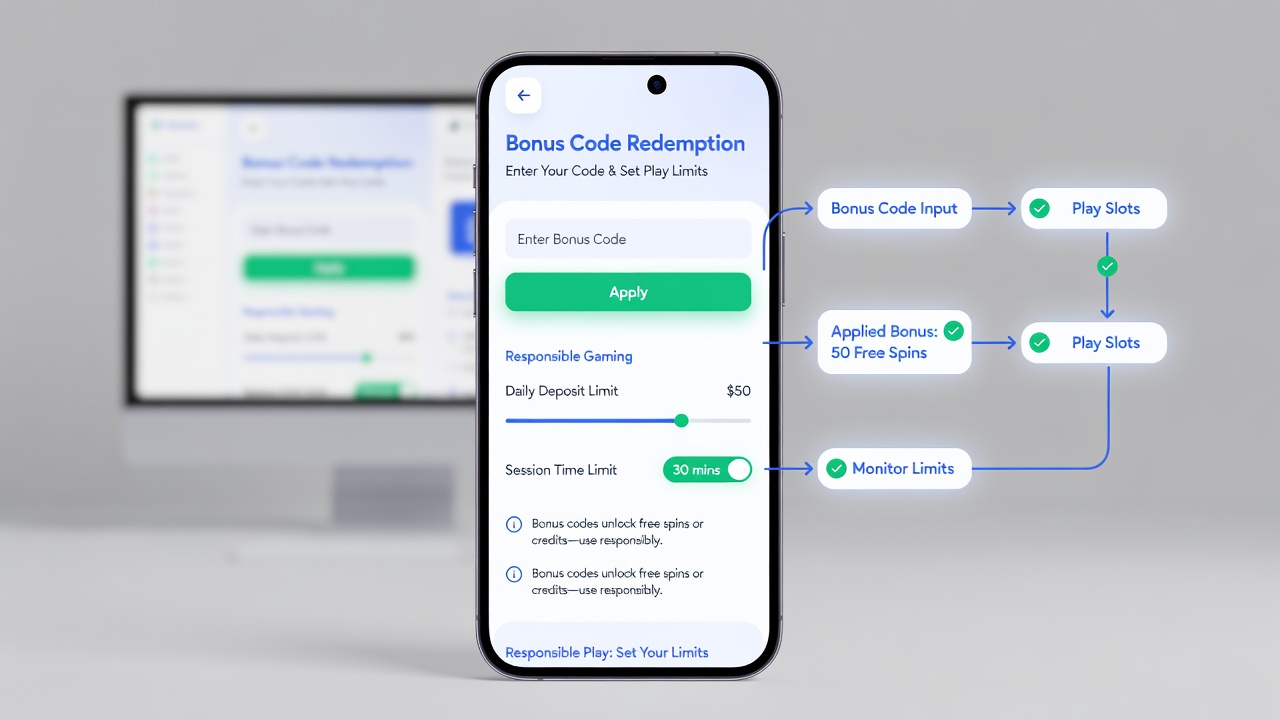
Developers design mobile slot applications with layered interface elements that direct users toward bonus code activation while embedding controls for spending and session duration. These systems typically present a dedicated input field on the promotions tab, complete with real-time validation that confirms code eligibility before any wager begins. Data from regulatory filings shows that such prompts reduce entry errors by guiding players through character limits and expiration checks in a single workflow.
Interface Elements That Direct Code Entry
Slot apps often place bonus code fields near the main game lobby so players encounter them during routine navigation rather than through separate menus. Auto-suggestion features pull previously used codes from account history, while color-coded status bars indicate whether a code remains active or has reached its usage cap. Researchers at institutions tracking digital gambling patterns note that these visual cues help maintain focus on available promotions without requiring external lookups.
Tooltips appear when users hover or tap near the entry area, explaining wager requirements and eligible game types in concise text blocks. This approach keeps information accessible yet contained within the same screen view, allowing seamless transition from code submission to slot selection. Observers note that apps updated in recent years incorporate swipe gestures to expand or collapse these details, reducing screen clutter during active play sessions.
Integration With Responsible Play Controls
Responsible play limits appear as adjustable toggles within the same account settings panel that handles bonus activation. Deposit caps, loss thresholds, and time-based reminders operate alongside bonus tracking so that any code-triggered credits count toward the same daily or weekly boundaries. Figures released by the Nevada Gaming Control Board indicate that mobile platforms using unified limit dashboards report higher compliance rates among users who activate multiple promotions in a single month.
Session timers display countdowns that pause during bonus code verification steps, ensuring players receive clear updates on remaining play time before additional spins commence. When a limit approaches, the interface shifts to a modal overlay that lists current bonus balances and offers options to adjust settings or exit the game. This design prevents abrupt stops while still enforcing boundaries established in advance.
Flow From Code Activation to Game Launch
Once a code is accepted, the app routes users directly to qualifying slot titles with an overlaid summary of remaining bonus value and attached playthrough conditions. Progress bars update after each spin, reflecting both winnings and amounts applied toward release requirements. Those who've examined app analytics report that this immediate feedback loop encourages measured engagement rather than rapid, unchecked spins.
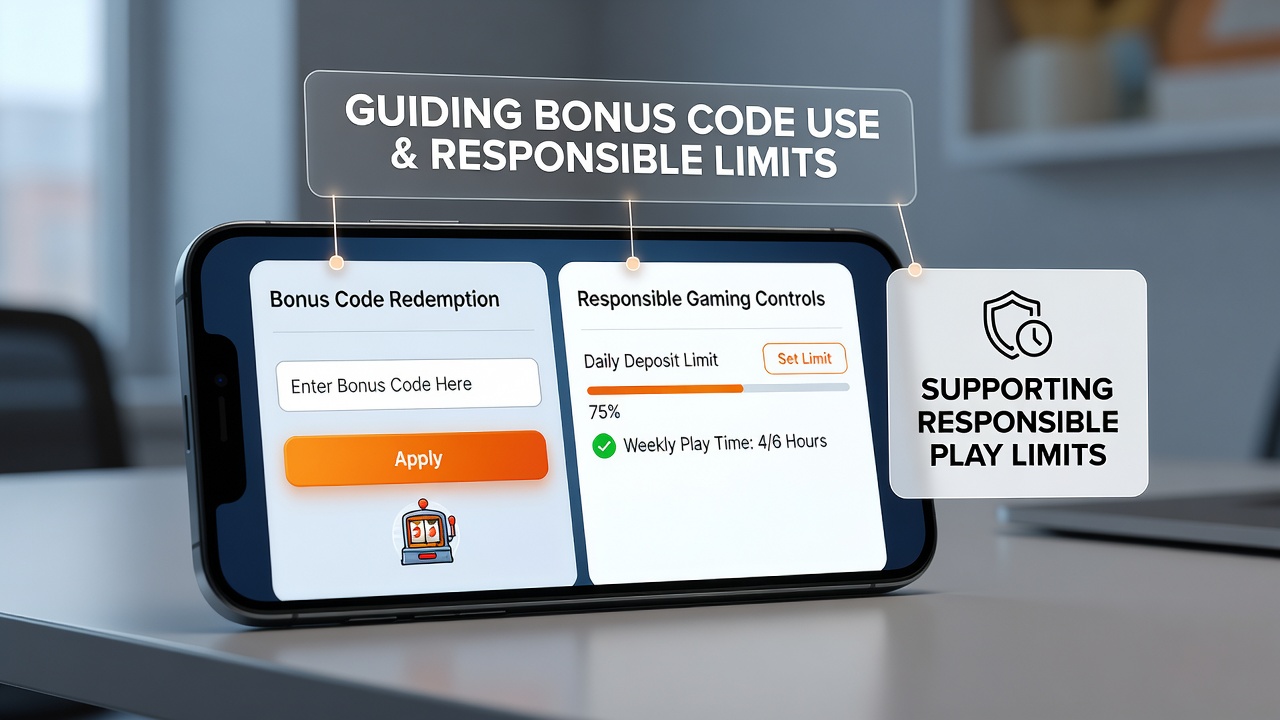
Push notifications triggered at set intervals remind users of approaching limits without interrupting the current round. These alerts link back to the control panel where players can review total bonus usage against their preset boundaries. Industry reports from the Victorian Responsible Gambling Foundation highlight similar patterns in Australian markets, where integrated notifications correlate with lower instances of extended play beyond intended sessions.
Regional Regulatory Influences on Design
European operators follow guidelines from bodies such as the Malta Gaming Authority that require visible separation between promotional tools and limit-setting functions. Apps serving multiple jurisdictions therefore adapt layouts dynamically based on user location data, ensuring compliance displays match local standards. This adaptability keeps bonus code flows consistent while the responsible play layer adjusts its language and default values accordingly.
Academic reviews of mobile gambling interfaces, including work published through the Australian Gambling Research Centre, document how color contrast and button placement affect user attention during code entry. Studies show that high-contrast confirmation buttons positioned below limit indicators increase the likelihood that players check their settings before proceeding to the reels. Such findings inform iterative updates released by developers throughout the year.
Tracking and Feedback Mechanisms
Behind the visible interface, backend systems log each bonus code redemption against individual account limits and generate summary reports accessible through the app's history tab. Players see weekly breakdowns that list codes used, slots played, and remaining allowance before limits reset. This transparency supports informed decisions without requiring players to maintain separate records.
Some platforms incorporate optional goal-setting modules where users define target bonus completion amounts alongside maximum loss figures. The interface then displays dual progress indicators side by side, allowing quick comparison during active sessions. Data aggregated across platforms suggests these paired metrics help maintain alignment between promotional incentives and self-imposed boundaries.
Conclusion
Mobile slot applications continue to refine the connection between bonus code interfaces and responsible play tools through iterative design changes informed by usage data and regulatory expectations. Unified dashboards, real-time validation, and synchronized limit tracking form the core structure that guides code use while preserving player controls. As platforms evolve, these elements remain central to maintaining clear pathways from promotion entry to gameplay within established limits.